
更多产品参数
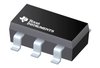
Fixed Positive LDO Regulator, 1.8V, PMOS, PDSO5
制造商:
Texas Instruments
制造商型号:
TPS77018DBVT
符合标准:
Rohs 符合
不含铅
数据手册:
文档下载
TPS77018DBVT数据表
参考设计(22)
Power and Thermal Design Considerations Using TI's AM57x Processor Reference Design
TIDEP0047: This TI Design (TIDEP0047) is a reference platform based on the AM57x processor and companion TPS659037 power management integrated circuit (PMIC). This TI Design specifically highlights important power and thermal design considerations and techniques for systems designed with AM57x and TPS659037. It includes reference material and documentation covering power management design, power distribution network (PDN) design considerations, thermal design considerations, estimating power consumption, and a power consumption summary.
TIDEP0047 Power and Thermal Design Considerations Using TI's AM57x Processor Reference Design | TI.com
TIDEP0047: This TI Design (TIDEP0047) is a reference platform based on the AM57x processor and companion TPS659037 power management integrated circuit (PMIC). This TI Design specifically highlights important power and thermal design considerations and techniques for systems designed with AM57x and TPS659037. It includes reference material and documentation covering power management design, power distribution network (PDN) design considerations, thermal design considerations, estimating power consumption, and a power consumption summary.
Polymer TFT Display Supply
PMP2617: A multi-Buck solution, followed by a 5V USB supply and +/-25V…+/-35V generator (with a 0.5% precision on tracking) provides all voltages to a Polymer TFT display. Very low height is the main challenge.
TIDA-00007 I2C Based Human Interface Device (HID) Protocol Keyboard Implementation for Windows 8 | TI.com
TIDA-00007: This reference design is a verified Keyboard Scanner or controller. This 128 key scan device is specifically targeted towards end equipment that runs on Windows 8 operating system. The device is fully compliant with the HID over I2C specification (ver 1.0) defined by Microsoft.
PMP2617 Polymer TFT Display Supply | TI.com
PMP2617: A multi-Buck solution, followed by a 5V USB supply and +/-25V…+/-35V generator (with a 0.5% precision on tracking) provides all voltages to a Polymer TFT display. Very low height is the main challenge.
I2C Based Human Interface Device (HID) Protocol Keyboard Implementation for Windows 8
TIDA-00007: This reference design is a verified Keyboard Scanner or controller. This 128 key scan device is specifically targeted towards end equipment that runs on Windows 8 operating system. The device is fully compliant with the HID over I2C specification (ver 1.0) defined by Microsoft.
Multi-Phase Rogowski-Based E-Meter
TIDM-ROGOWSKITHREEPHASE-F47197: This design, featuring the MSP430F47197 device, implements a highly integrated single-chip electricity metering solution, with support for Rogowski coil current sensors. Hardware and software design files are provided to enable calculation of various parameters for multi phase energy measurement, such as RMS current & voltage, active and reactive power and energies, power factor and frequency. The added hardware and software support for Rogowski coils make it easy to interface with Rogowski coils with minimal hardware changes when migrating from traditional current transformers. Rogowski coils traditionally provide a ease of use vs. traditional transformers, utilizing an air coil instead of iron core. The Rogowski coil current sense library implements an efficient software integration of the Rogowski output, enabling this to be a single chip solution for 3-phase e-metering. Software package also includes an example application for quick and easy evaluation of the hardware and software.
TIDM-AUX-MODULE Battery Management and Auxiliary Power Supply Options for E-Meters | TI.com
TIDM-AUX-MODULE: Smart electric meters are required to maintain normal operation for a short period of time after the electric grid fails. This reference design details methods by which designers can meet this requirement when using an advanced, smart meter MCU. Designers can use this design to evaluate options for battery management and auxiliary power supplies quickly and easily.
TIDEP0076 3D Machine Vision Reference Design Based on AM572x Processor with DLP® Structured Light | TI.com
TIDEP0076: The TIDEP0076 3D machine vision design describes an embedded 3D scanner based on the structured light principle. A digital camera along with a Sitara™ AM57xx processor System on Chip (SoC) is used to capture reflected light patterns from a DLP4500-based projector. Subsquent processing of captured patterns, calculation of the object's 3D point cloud and its 3D visualization are all performed within the AM57xx processor SoC. This design provides an embedded solution with advantages in power, simplicity, cost and size over a host PC-based implementation.
TIDM-ENERGY-WATCHDOG Single-Phase Electricity Sub-Meter for Smart Buildings | TI.com
TIDM-ENERGY-WATCHDOG: The Energy Watchdog design is a complete tool used to measure and display the energy consumption of an individual load in a smart building such as major home appliances. With this tool engineers can quickly evaluate TI’s solution a low-cost energy measurement application. This reference design will speed engineers’ development time as it comes complete with hardware and software design files. The Energy Watchdog design also is expandable to work with TI’s ZigBee and Wifi reference designs to add wireless communications to the end product.
Single-Phase Energy Meter with CPU-Independent Metrology Engine
TIDM-SINGLEPHASEMETER-FE4272: This single-chip electric meter solution implements a single-phase e-meter utilizing the MSP430FE4272 SoC and TPS77033 LDO regulator. It utilizes the CPU-independent ESP430 Metrology Engine to perform all of the required e-meter calculations with no impact on the main MCU core. This allows the developer to add other functions into the SoC, reducing overall e-meter BOM cost. With this tool developers can quickly determine that the FE4272 e-meter SoC fits the requirements for their low-cost smart e-meter.
Battery Management and Auxiliary Power Supply Options for E-Meters
TIDM-AUX-MODULE: Smart electric meters are required to maintain normal operation for a short period of time after the electric grid fails. This reference design details methods by which designers can meet this requirement when using an advanced, smart meter MCU. Designers can use this design to evaluate options for battery management and auxiliary power supplies quickly and easily.
TIDEP0046 Monte-Carlo Simulation on AM57x Using OpenCL for DSP Acceleration Reference Design | TI.com
TIDEP0046: TI’s high performance ARM® Cortex®-A15 based AM57x processors also integrate C66x DSPs. These DSPs were designed to handle high signal and data processing tasks that are often required by industrial, automotive and financial applications. The AM57x OpenCL implementation makes it easy for users to utilize DSP acceleration for high computational tasks while using a standard programming model and language, thereby removing the need for deep knowledge of the DSP architecture. The TIDEP0046 TI reference design provides an example of using DSP acceleration to generate a very long sequence of normal random numbers using standard C/C++ code.
Single-Phase Electricity Sub-Meter for Smart Buildings
TIDM-ENERGY-WATCHDOG: The Energy Watchdog design is a complete tool used to measure and display the energy consumption of an individual load in a smart building such as major home appliances. With this tool engineers can quickly evaluate TI’s solution a low-cost energy measurement application. This reference design will speed engineers’ development time as it comes complete with hardware and software design files. The Energy Watchdog design also is expandable to work with TI’s ZigBee and Wifi reference designs to add wireless communications to the end product.
TIDC-BLE-METER-READING Bluetooth Low Energy for Energy Monitoring Reference Design | TI.com
TIDC-BLE-METER-READING: The TIDC-BLE-METER-READING reference design focuses on an application for reading an energy monitor device over a Bluetooth® Low Energy (BLE) link using the SimpleLink™ CC2650 multi-standard wireless MCU and corresponding SensorTag module. The module is then connected to the hardware (with a minor modification) from the TI design TIDM-3OUTMSTSTRP as the metering data source. This TI Design also includes an Android application that functions as a remote reader and control terminal
Bluetooth Low Energy for Energy Monitoring Reference Design
TIDC-BLE-METER-READING: The TIDC-BLE-METER-READING reference design focuses on an application for reading an energy monitor device over a Bluetooth® Low Energy (BLE) link using the SimpleLink™ CC2650 multi-standard wireless MCU and corresponding SensorTag module. The module is then connected to the hardware (with a minor modification) from the TI design TIDM-3OUTMSTSTRP as the metering data source. This TI Design also includes an Android application that functions as a remote reader and control terminal
Monte-Carlo Simulation on AM57x Using OpenCL for DSP Acceleration Reference Design
TIDEP0046: TI’s high performance ARM® Cortex®-A15 based AM57x processors also integrate C66x DSPs. These DSPs were designed to handle high signal and data processing tasks that are often required by industrial, automotive and financial applications. The AM57x OpenCL implementation makes it easy for users to utilize DSP acceleration for high computational tasks while using a standard programming model and language, thereby removing the need for deep knowledge of the DSP architecture. The TIDEP0046 TI reference design provides an example of using DSP acceleration to generate a very long sequence of normal random numbers using standard C/C++ code.
TIDM-METROLOGY-HOST Single-Phase Electric Meter with Isolated Energy Measurement | TI.com
TIDM-METROLOGY-HOST: Electric meter developers often prefer to separate the energy measurement function from the host processor functions such as ANSI/IEC data tables, DLMS/COSEM, tariff management, and communications. This design demonstrates a method for keeping these meter functions separated by using an individual metrology processor and host processor. The firmware supplied with the design manages all of the required functions and synchronization between the processors. The design also demonstrates how to isolate communications between the two processors to achieve the necessary safety requirements. Finally, this design demonstrates a method for meter calibration using the USB interface on an MSP430 MCU. Engineers will be able to more quickly develop smart meters with isolated metrology functions by reusing this reference design.
TIDM-3OUTSMTSTRP Three Output Smart Power Strip Reference Design | TI.com
TIDM-3OUTSMTSTRP: This design implements a high accuracy single phase embedded metering smart power strip application using an MSP430 MCU. Built to support of measuring AC voltage, current, active power, reactive power, apparent power, frequency, power factor with 3 socket measured individually. Additional hardware is added to provide futher development like relay control, and wired/wireless communication.
TIDM-THREEPHASEMETER-F449 Low-Cost Three-Phase Electricity Meter Reference Design | TI.com
TIDM-THREEPHASEMETER-F449: The design implements a basic three-phase electric meter system using the MSP430F449 smart meter SoC, the LMV324 precision op amps, and TPS76333 LDO regulator . It meets all of the requirements for ANSI C12.20 and IEC-62053 Class 0.5 meters.The MSP430F449 SoC is a low-cost option for engineers developing polyphase energy measurement systems for utility meters and industrial applications. . The LMV324 op amps are used for conditioning the voltage and current signals coming from the current transformers. The design uses a capacitive-drop power supply based on the TPS76333 to provide a low-cost power supply solution. Hardware and software design files are provided to enable calculation of various parameters for three-phase energy measurement, such as RMS current & voltage, active and reactive power and energies, power factor and frequency. With this design developers can quickly determine that the MSP430F449 e-meter SoC meets the requirements for their low-cost smart e-meter.
Three Output Smart Power Strip Reference Design
TIDM-3OUTSMTSTRP: This design implements a high accuracy single phase embedded metering smart power strip application using an MSP430 MCU. Built to support of measuring AC voltage, current, active power, reactive power, apparent power, frequency, power factor with 3 socket measured individually. Additional hardware is added to provide futher development like relay control, and wired/wireless communication.
Single-Phase Electric Meter with Isolated Energy Measurement
TIDM-METROLOGY-HOST: Electric meter developers often prefer to separate the energy measurement function from the host processor functions such as ANSI/IEC data tables, DLMS/COSEM, tariff management, and communications. This design demonstrates a method for keeping these meter functions separated by using an individual metrology processor and host processor. The firmware supplied with the design manages all of the required functions and synchronization between the processors. The design also demonstrates how to isolate communications between the two processors to achieve the necessary safety requirements. Finally, this design demonstrates a method for meter calibration using the USB interface on an MSP430 MCU. Engineers will be able to more quickly develop smart meters with isolated metrology functions by reusing this reference design.

Bristol Electronics
分销商编号:
未知
交货地:
中国大陆
单价:
- 阶梯 人民币价格(含税) 美元价格
- 3+ ¥14.4714 -
- 12+ ¥10.8538 -
- 37+ ¥9.0449 -
- 131+ ¥5.4265 -
请输入数量:
-+
总计:
库存/包装:
343
起订量:
3
递增量:
1
搜索更多的分销商结果
搜索
请输入完整或部分产品型号,最少 3 个字母或数字
